
Automatic Nut Roaster | How Roasting Techniques Affect the Texture and Taste of Nuts
Automatic Nut Roaster | The Perfect Crunch: How Roasting Techniques Affect the Texture and Taste of Nuts
Achieving the perfect crunch in roasted nuts requires a fine balance between technique and technology. Different roasting methods and machines impact not only the texture but also the flavor profile of nuts. Whether you’re using a nut roasting machine or a more specialized system like a commercial nut roaster, understanding how these processes affect the product is essential for consistent quality.
Roasting Techniques and Texture
The process of roasting nuts such as almonds, pistachios, and peanuts is delicate. Precise heat control can either enhance the nut’s natural texture or cause it to become too soft or overly crispy. For instance, using a cashew roasting machine helps maintain the ideal texture by evenly distributing heat across the product. Similarly, a peanut roaster machine is designed to preserve the crispiness of peanuts while ensuring uniform roasting.
Machines like the commercial peanut roaster or electric nut roaster offer advanced settings to adjust roasting parameters, such as temperature and time, depending on the type of nut. The size and type of nut affect how heat penetrates the shell or surface, influencing both texture and taste. For smaller operations, a small peanut roaster machine or mini nut roasting machine is ideal, offering precision while keeping production efficient.

Flavor Development through Roasting
Beyond texture, roasting also plays a crucial role in the development of nut flavors. The caramelization of sugars and the Maillard reaction, which occurs during roasting, are what give nuts their rich, roasted taste. Using machines like the pistachio roaster or almond roasting machine helps retain the natural oils of the nuts, which are key to delivering that perfect flavor.
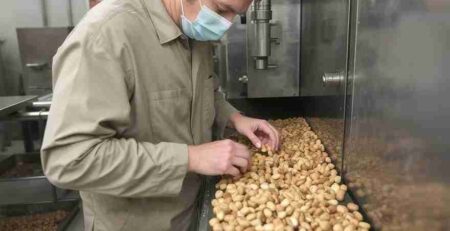
When using a commercial nut roasting machine, the uniform heat application ensures that the nuts are roasted evenly. This prevents undercooked or overcooked sections, which can lead to an inconsistent product. For those focused on maintaining a traditional taste, using a chestnut roaster machine or groundnuts roasting machine allows for slow, controlled roasting that enhances flavor without sacrificing nutritional value.
Technology’s Role in Consistency
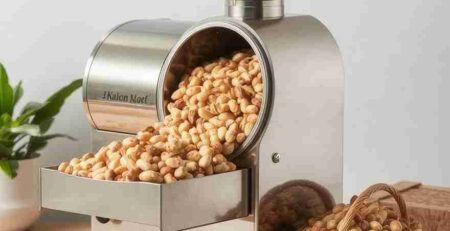
Modern roasting equipment, such as the automatic nut roaster or pistachio roasting machine, simplifies the roasting process while improving product quality. Machines like the nut roaster machine for home or nuts roasting machine for home bring commercial-quality roasting capabilities to smaller operations, allowing for precise control over each batch.
Investing in high-quality roasting equipment also means lower operating costs and better energy efficiency. For example, an electric nut roaster or used peanut roasting machine for sale offers energy-saving features while delivering excellent roasting performance.
Choosing the Right Machine
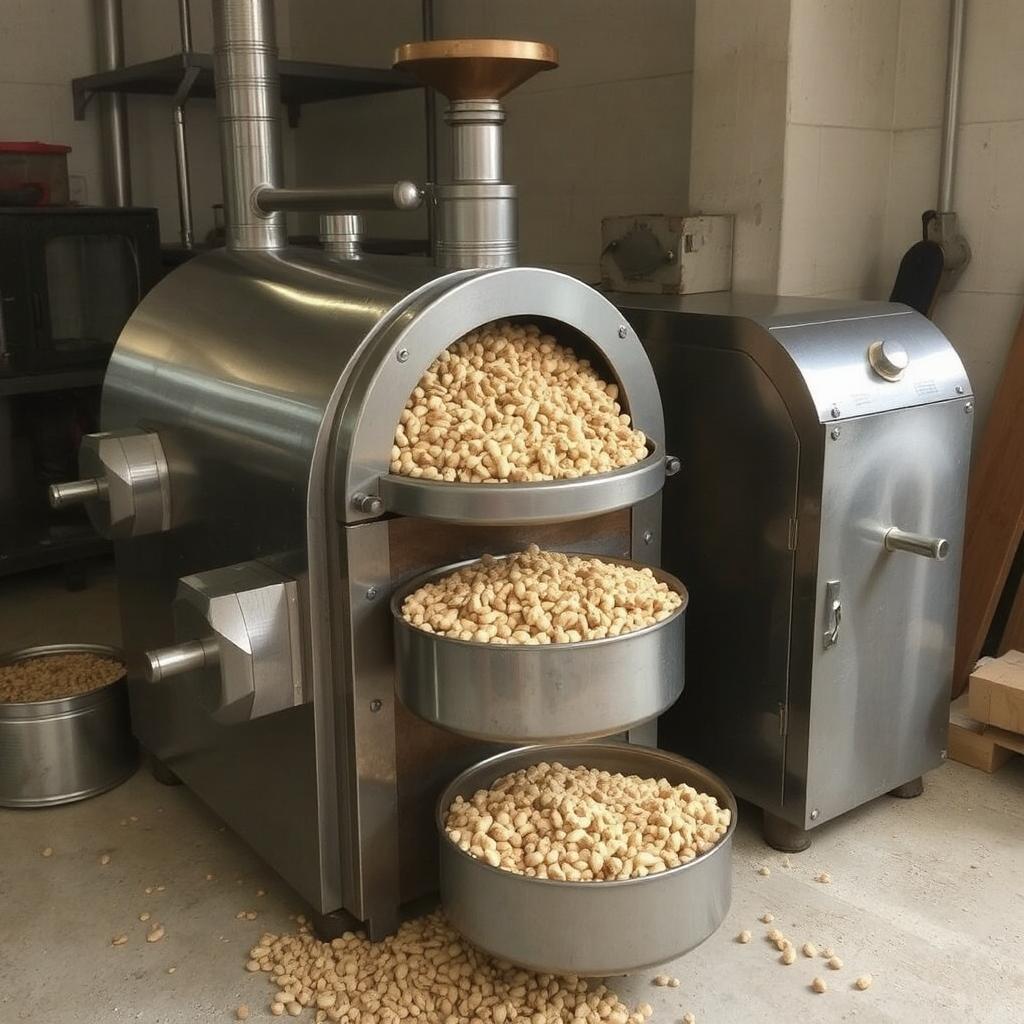
Whether you’re roasting peanuts or pistachios, selecting the right machine can make all the difference. A commercial nut roasting machine ensures high-volume production without compromising quality, while a nut roasting machine for sale can cater to different business sizes. If you’re new to the roasting process, starting with a used nut roasting machine for sale or a peanut roaster for sale can provide a cost-effective entry into the market.
Conclusion
In the quest for the perfect roasted nut, the choice of equipment is just as important as the roasting technique. From pistachio roasting to roasting raw pistachios, advanced roasting machines ensure consistent quality in both texture and flavor. Whether you’re a commercial producer or a home enthusiast, investing in the right nut roasting equipment will elevate your product to new heights.






Leave a Reply