
Nuts Roasting Machines | What certifications are required?
“What certifications are required for operating this roasting machine in Europe?”
Understanding Certification Requirements for Roasting Machines Across Europe
One of the most common concerns among our customers revolves around certifications for operating industrial roasting machines within Europe. Ensuring that your machinery meets all necessary regulations is crucial, not only for legal compliance but also for safety and operational efficiency.
CE Marking and Its Importance
For any machinery to be legally sold and operated within the European Economic Area (EEA), it must bear the CE Marking. The CE mark is a declaration by the manufacturer that the product meets the essential requirements of the relevant European health, safety, and environmental protection legislation. For roasting machines, this includes compliance with the Machinery Directive (2006/42/EC), the Low Voltage Directive (2014/35/EU), and the Electromagnetic Compatibility (EMC) Directive (2014/30/EU).
Our roasting machines come fully compliant with these directives and are labeled with the CE marking, ensuring that they meet the stringent requirements needed for safe and lawful operation across Europe.
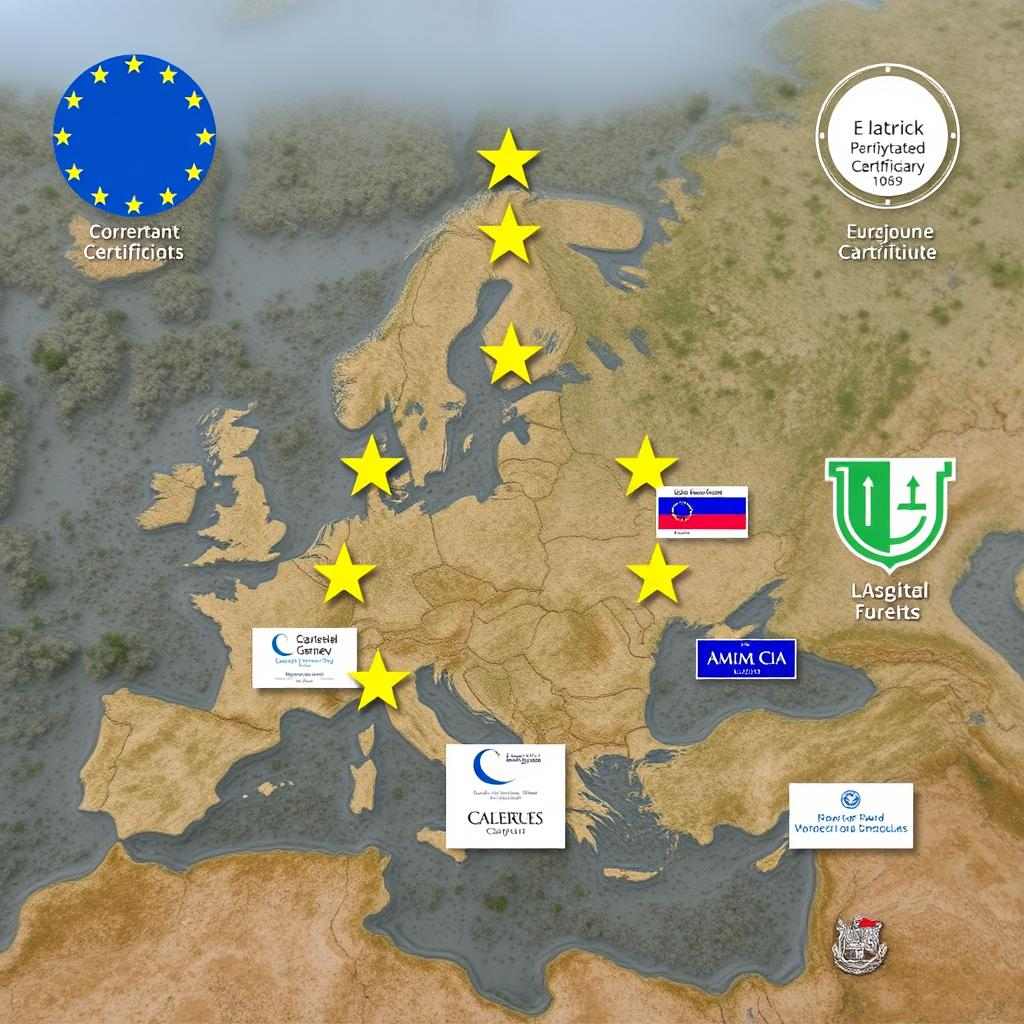
Electromagnetic Compatibility (EMC) Directive (2014/30/EU).
The CE mark essentially allows your roasting machine to be freely traded within the European market. By ensuring that the machine you purchase is CE-certified, you can have peace of mind knowing that it meets stringent European safety and environmental standards.
Gas Appliances Regulation (EU 2016/426)
If your roasting machine operates using gas, it must also comply with the Gas Appliances Regulation. This ensures that gas-powered machines are safe for use, particularly in food processing environments. The regulation covers everything from the safety of materials used in the machine’s construction to its energy efficiency and performance.
Specific National Requirements
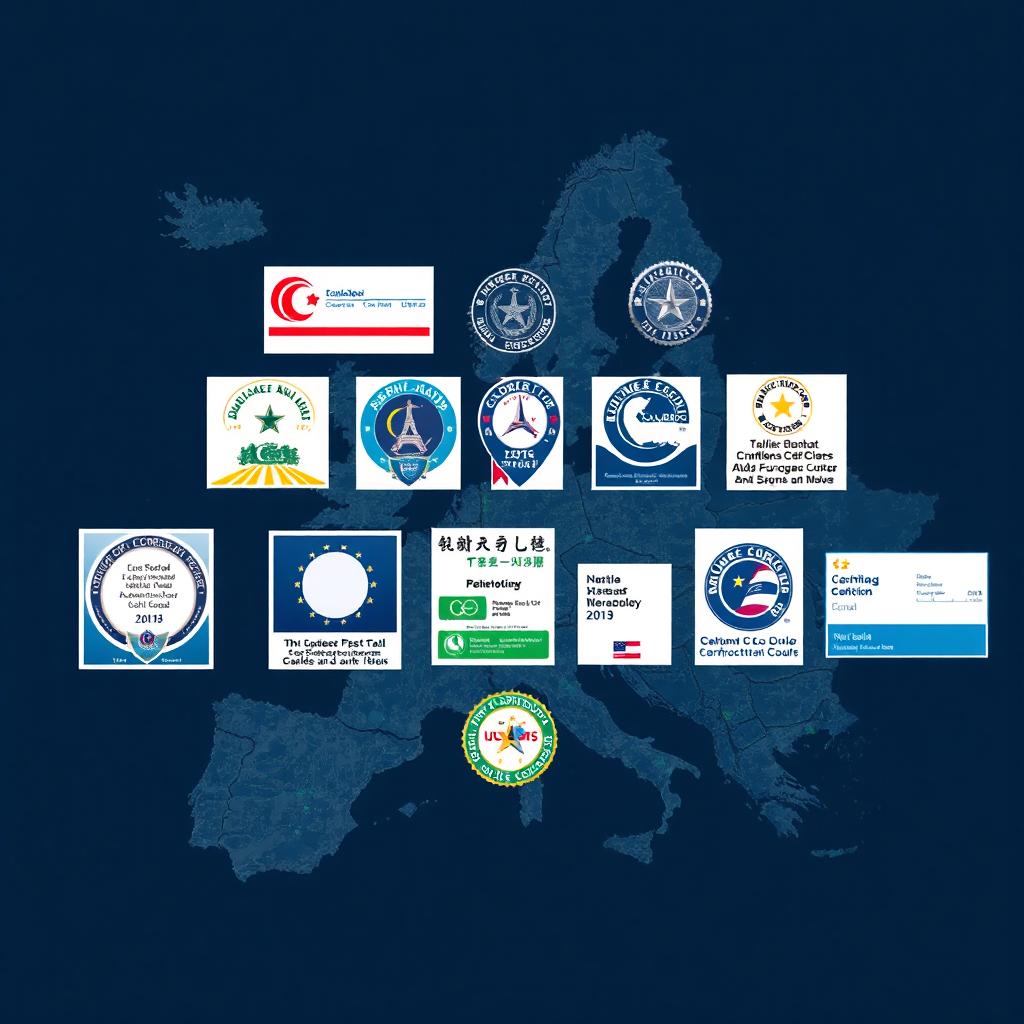
While CE marking provides a general assurance for the European market, some countries may have additional regulations or standards. For example, the Czech Republic has its own specific norms, requiring that the equipment be tested for local conditions. These include additional certifications or national language documentation, such as user manuals and warranty information in Czech.
At our company, we ensure that all our machines, including those that operate in different parts of Europe, meet these national requirements. For instance, in the case of Czech customers, we provide all necessary documentation translated into Czech and ensure that the equipment can legally and safely be operated in that market.
Installation and Operation Manuals in Local Languages
Aside from regulatory certifications, another common requirement for machinery across Europe is the provision of comprehensive installation and operation manuals in the local language. This ensures that operators can easily understand the setup, usage, and maintenance processes, reducing the likelihood of operational errors.
For instance, for customers in Czechia, we supply fully translated manuals, complete with technical diagrams and clear instructions. This not only helps in smooth installation but also ensures that the machine is operated according to local safety guidelines.

Why Certification Matters for Long-Term Operation
Obtaining proper certifications is not just about complying with legal regulations; it also offers significant long-term benefits for your business. Certified machines tend to perform better in audits and inspections, and compliance with environmental and safety standards can positively influence your brand’s reputation. Additionally, machines that are properly certified are often easier to maintain and repair since they meet standardized criteria.
At [Your Company Name], we ensure that all of our roasting machines are fully certified for the European market. Our team works closely with local authorities and certification bodies to provide you with machines that are not only operationally excellent but also legally compliant in any European country.







Leave a Reply